
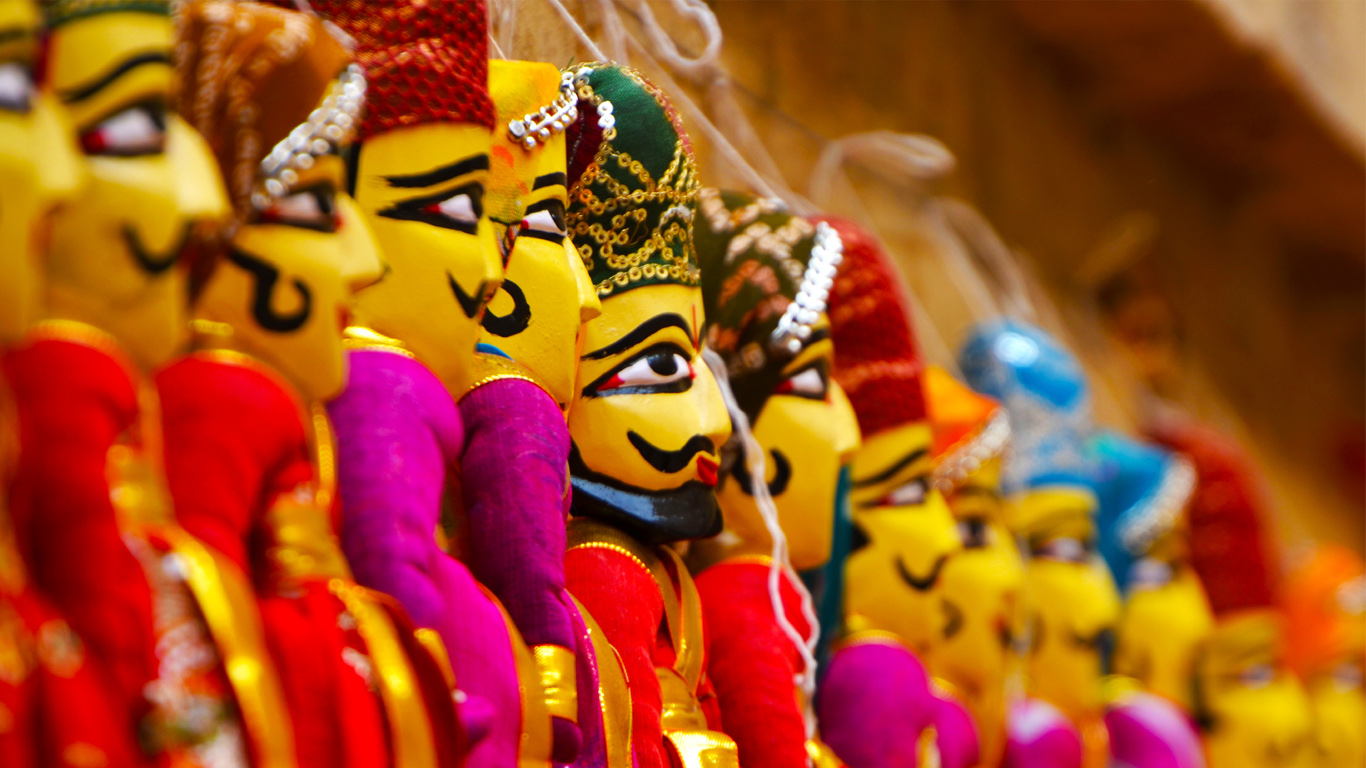
Markets are part of Jaisalmer’s living culture
Jaisalmer’s bazaars connect visitors with the city’s trading history and its current craft culture. Official tourism guidance highlights markets including Sadar Bazaar, Bhatia Bazaar, Sonaron Ka Bas and Pansari Bazaar, with different kinds of goods described in each area. The mix of shops changes over time, so treat those names as starting points, not a guarantee that a particular seller or product will be present.
A market walk can be enjoyable even if you do not plan to buy anything. Observe colour, pattern, materials and how objects are displayed. If you are interested in how a craft is made, ask politely whether the seller can explain the process. Do not photograph a person, workshop or item in a private setting without permission.
Bazaars can be busy and lanes may be narrow. Keep valuables secure, make room for pedestrians and residents, and leave extra time if shopping is combined with a heritage visit. Confirm a meeting point or pickup location before wandering into a crowded area.
Textiles, prints and embroidery
Official Jaisalmer shopping guidance points to colourful textiles, mirror work, applique, tie-and-dye and block-printed patterns among products visitors may encounter. You may see these techniques on scarves, dupattas, clothing, cushion covers, bags and home furnishings. Look at the stitching, pattern alignment, backing and finishing, not only the overall colour.
Two objects that look similar can differ in how they were made, where the materials came from and how much work went into them. Ask whether a design is handmade, machine-embroidered, printed or assembled from several processes. The seller’s answer helps you understand the item, but a verbal description is not independent certification. Ask for a written description or other evidence if origin or method matters to you.
Consider how you will carry and use the item. Fabric size, colour transfer, washing requirements, weight and delicate embellishments can affect whether a purchase is practical. Ask about care instructions and packaging rather than assuming an item is ready for a long journey.
- Mirror work and decorative embroidery.
- Tie-and-dye, block prints and applique patterns.
- Scarves, dupattas, bags and home textiles.
- Ask about care instructions, materials and how the piece was produced.
Leather goods, jewellery and decorative objects
Official tourism guidance describes leather goods and embroidered juttis, as well as jewellery and other decorative products in the city’s bazaars. If you are interested in footwear, bags or accessories, inspect stitching, seams, fastening and finish. Ask what material is used and whether there are care instructions. Do not assume that appearance proves a product’s source or composition.
Jewellery needs its own questions. Ask what metal or stone is being sold, how purity or authenticity is represented, whether weight and making charges are itemised, and what documentation accompanies the purchase. Claims about gold, silver, gemstones or antiquity should not be accepted solely because a piece looks distinctive. For higher-value items, compare shops and consider independent verification before spending.
A small decorative object can still carry a story about the person who made it. If a shopkeeper explains a technique or motif, ask whether that information can be recorded so you can remember it. Enjoy the variety without turning a souvenir into an unsupported claim about age, rarity or artisan provenance.
Ask clear questions about origin and materials
Words such as traditional, antique, handmade, natural and locally made can mean different things in different shops. If a claim matters to your decision, ask for specifics: who made the item, where it was made, what materials are used, and what can be documented. A tourism article can describe regional craft traditions, but it cannot authenticate an individual product in a market.
Use particular care with fossil stones, old-looking objects and items presented as rare. Ask about legality, source and documentation before purchasing anything that may be a natural specimen or protected material. Do not buy an object if you are uncertain whether taking it across borders or through airport security is permitted.
Agree the final total, accepted payment method, packaging and return or exchange terms before purchasing. Shops have their own policies, and a general travel article does not establish that a particular seller offers refunds, certificates or shipping.
- What is the material, and how can it be identified?
- Where was the item made, and what evidence supports that description?
- Is a receipt or written item description available?
- What are the final price, payment terms and return conditions?
Shop thoughtfully and respect the people behind the craft
Price comparison is useful, but a purchase is not only about finding the lowest number. Compare similar materials and quality, ask what is included, and give yourself time to decide. If an item is fragile or handmade, ask how it should be packed and transported. Avoid pressure to purchase quickly when you do not understand the product or its terms.
Treat vendors as people going about their work, not as props for holiday photographs. Ask before taking portraits, respect a request not to photograph, and do not obstruct a stall while composing a picture. If you learn something valuable from a maker or seller, you can show appreciation without feeling obliged to buy an item.
A thoughtful souvenir can preserve a memory without needing a dramatic claim attached to it. Record the shop name, material and story you were told, but distinguish what the seller explained from what you have independently verified.
Fit a market walk into a realistic itinerary
Shopping can be paired with a Fort and heritage visit, but the best sequence depends on your interests, walking pace, current site access and transport. The Jaisalmer Fort guide gives the setting; the two-day itinerary offers a starting point for distributing experiences without assuming every stop is guaranteed.
If you want help planning a route that combines markets and havelis, ask whether a heritage or city walk can be arranged for your date. Confirm the proposed stops, guide language, route length, access restrictions, transport and price before deciding. A page describing a walking idea is not proof that a guide or itinerary is available.
Keep purchases manageable until you know how you will carry them. If you leave Jaisalmer the same day, allow a buffer for collecting items, packing them and reaching onward transport. Current traffic, access and shop opening arrangements should be checked close to travel.
Sources and further reading
Use official references for broad destination guidance. Re-check time-sensitive transport, access and weather details close to your travel date.
- Incredible India — Enter Jaisalmer’s Treasure-Filled Markets — Official overview of bazaar areas, textiles, embroidery, jewellery and other goods.
- Incredible India — Jaisalmer destination guide — Official destination context for local crafts and cultural traditions.
- Incredible India — Salim Singh Ki Haveli — Official background on nearby old-city markets and craft sellers.